
Minimizing the fashion industry’s impact on the environment and human well-being by giving new life to textiles with history.
53 million metric tons of discarded clothing are incinerated or go to landfills each year. If sent to a landfill, clothes made from natural fabrics like cotton and linen may degrade in weeks to months, but synthetic fabrics can take up to 200 years to break down. And as they do, they produce methane, a powerful global warming greenhouse gas.
Apparel production is responsible for 10 percent of human-caused greenhouse gas emissions and 20 percent of global wastewater, and uses more energy than the aviation and shipping sectors combined. Seventy-two toxic chemicals have been found in the water used in textile dyeing.
Fast Fashion, inexpensive clothing produced rapidly by mass-market retailers in response to the latest trends, is dependent on an exploited labor force in developing countries where regulations are less strict or not enforced. Workers are underpaid, overworked, and exposed to dangerous conditions or health hazards; many are underage.
Una Moss coordinates swap events and equips consumers to extend their relationship with what they already own via workshops in sewing, mending, and alterations.
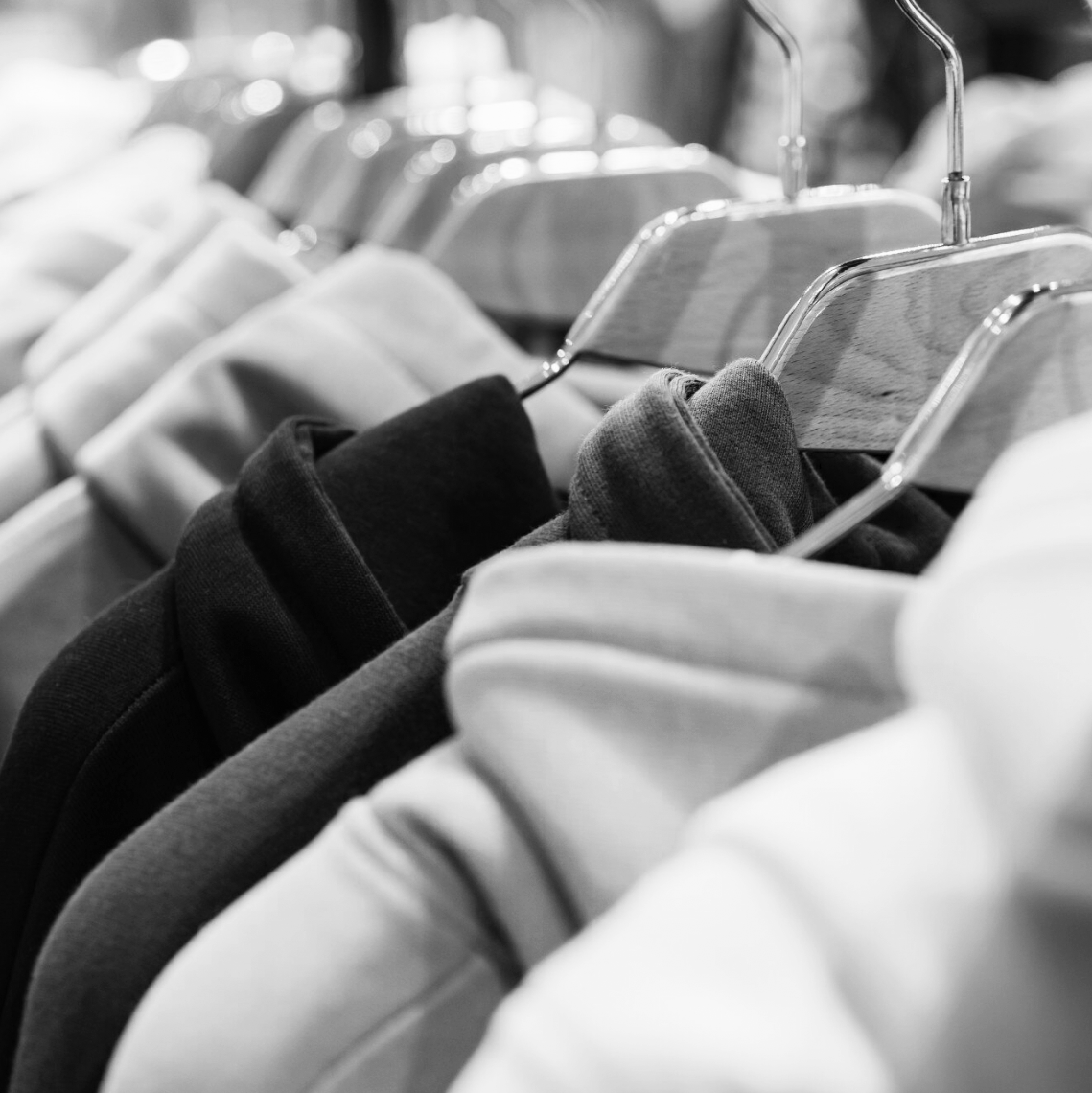
Exchange it as-is
Clothing Swap attendees are invited to bring textiles that are clean and in good condition, and exchange them for something new-to-you.
- Women, men, and children’s clothing
- Home goods
(Damaged and too tired items excluded)

Mend, alter, or remake
Extend your relationship with the articles of clothing that you already own. Sign up for notification about workshops or explore the archive of video tutorials and articles.
Learn to alter the hem length, remove/shorten sleeves, patch holes, and more.

New items made of old materials
Items made one-at-a-time, by hand, from reclaimed materials are available for purchase. Profits are reinvested in Una Moss programs, covering the cost of operation.
 Una Moss